
Common Foot Care Mistakes People Make at Home

Understanding Foot care mistakes
Taking care of your feet at home seems straightforward, but many common practices that people believe are helpful can actually damage their feet or mask developing problems. The feet are remarkably complex structures containing 26 bones, 33 joints, and more than 100 muscles, tendons, and ligaments, and they deserve the same careful attention we give to other parts of our bodies. Unfortunately, a combination of cultural habits, old wives' tales, and a general lack of foot health education leads many people to make mistakes that range from mildly counterproductive to genuinely dangerous. Recognizing these mistakes is the first step toward establishing a foot care routine that truly supports long-term foot health.
One of the most common and potentially dangerous mistakes is what podiatrists sometimes call bathroom surgery, the practice of using sharp instruments to cut, dig at, or shave down corns, calluses, and thickened nails at home. While it may be tempting to grab a razor blade, nail clipper, or even a kitchen knife to trim away a painful callus or corn, doing so carries significant risks of cutting too deep, causing bleeding, and introducing infection. This risk is dramatically amplified for people with diabetes, peripheral neuropathy, or poor circulation, for whom even a small wound can lead to serious complications. Professional debridement by a podiatrist is both safer and more effective.
Cutting toenails incorrectly is another extremely common mistake that frequently leads to ingrown toenails. Many people cut their nails too short or round the corners aggressively, which encourages the nail edges to grow into the surrounding skin as the nail regrows. The proper technique is to cut nails straight across, leaving them long enough that the corners extend slightly beyond the nail groove. Using proper toenail clippers rather than fingernail clippers or scissors provides a cleaner cut and better control. Filing any sharp edges gently after cutting can prevent them from catching on socks and causing nail damage.
Ignoring foot pain is perhaps the most widespread and consequential mistake people make. Many individuals adopt a no pain, no gain mentality or simply assume that foot pain is a normal part of aging or being active. In reality, persistent foot pain is almost always a signal that something is wrong, whether it is a biomechanical imbalance, an overuse injury, or a developing structural problem. Walking through pain without seeking evaluation often allows conditions to worsen progressively, turning what might have been a simple issue into a complex problem requiring more extensive treatment.

Walking barefoot at home, while comfortable, exposes the feet to several risks that many people do not consider. Hard surfaces like tile, hardwood, and concrete provide no cushioning or support, increasing stress on the plantar fascia, heel fat pad, and joints of the feet. Stepping on small objects, stubbing toes, and dropping heavy items on unprotected feet are all more likely without shoes. For people with diabetes or neuropathy, barefoot walking is particularly risky because injuries may go unnoticed. Wearing supportive house shoes or slippers with cushioned soles provides protection and support during daily activities at home.
Signs and Symptoms to Watch For
Using over-the-counter medicated corn and callus removers is a mistake that catches many people by surprise. These products typically contain salicylic acid, which works by dissolving the protein that makes up thickened skin. The problem is that salicylic acid cannot distinguish between abnormal callused skin and normal healthy skin surrounding it. If the product spreads beyond the targeted area or is left on too long, it can cause chemical burns that create painful open wounds. People with diabetes or compromised circulation should never use these products, as the resulting wounds can be very difficult to heal.
Wearing shoes without socks is a fashion choice that can lead to several foot problems. Socks serve important functions beyond warmth, including absorbing moisture, reducing friction between the foot and shoe, and providing a barrier against bacteria and fungi. Without socks, sweat accumulates directly in the shoe, creating a warm, moist environment that promotes fungal growth, bacterial proliferation, and foot odor. The increased friction between bare skin and shoe material leads to blisters, calluses, and skin irritation. If you prefer the sockless look, ultralow no-show socks or shoe liners offer a compromise.
Patients throughout the Houston area trust Dr. Chandana Halaharvi at Thrive Foot and Ankle for compassionate, expert foot care mistakes care. Our Sugar Land office is conveniently located to serve Pearland, Fort Bend County, and surrounding communities.
Soaking feet for extended periods is an old-fashioned practice that many people still believe is beneficial. While a brief warm foot soak can be relaxing and may help soften thickened skin before gentle filing, prolonged soaking actually strips the skin of its natural oils and can leave feet drier than before. Excessively dry skin is more prone to cracking and fissuring, which can be painful and may become entry points for infection. If you enjoy foot soaks, limiting them to 10 to 15 minutes and applying moisturizer immediately afterward helps maintain skin health.
Applying moisturizer between the toes is a well-intentioned habit that can backfire. The spaces between the toes are naturally warm and poorly ventilated, making them prone to retaining moisture. Adding lotion or cream to these areas creates an excessively damp environment that promotes fungal infections, including athlete's foot. The proper approach is to apply moisturizer generously to the tops, bottoms, and sides of the feet while carefully avoiding the interdigital spaces. Keeping the areas between the toes clean and dry helps prevent fungal and bacterial growth.
Choosing shoes based solely on appearance rather than fit and support is a mistake that affects foot health over time. Fashion-forward shoes often sacrifice function for form, with narrow toe boxes that compress the toes, thin soles that provide inadequate cushioning, and heel heights that alter the biomechanics of the entire lower extremity. Chronically wearing poorly fitting shoes contributes to the development of bunions, hammer toes, neuromas, plantar fasciitis, and Achilles tendinitis. Shopping for shoes later in the day when feet are slightly swollen and having both feet measured each time helps ensure a proper fit.
Steps You Can Take Today
Relying on flip-flops as primary footwear is a seasonal mistake that many people make during warmer months. While flip-flops are convenient for the pool or beach, they provide virtually no arch support, heel cushioning, or structural stability. The toes must grip constantly to keep the shoe on, which can lead to hammer toe development, tendinitis, and forefoot pain. The thin, flat sole offers no shock absorption, increasing stress on the plantar fascia and heel. Prolonged use of flip-flops has been associated with changes in gait mechanics that can lead to knee, hip, and lower back pain.
Neglecting daily foot inspections is a mistake that is particularly consequential for people with diabetes or circulation problems but is unwise for everyone. A quick daily check of your feet can reveal developing problems such as fungal infections, ingrown nails, skin color changes, new calluses, and small wounds before they become serious. Paying attention to changes in foot shape, skin texture, and sensation over time helps you identify conditions in their earliest and most treatable stages. Making foot inspection a part of your daily routine takes less than a minute and can prevent significant problems down the road.
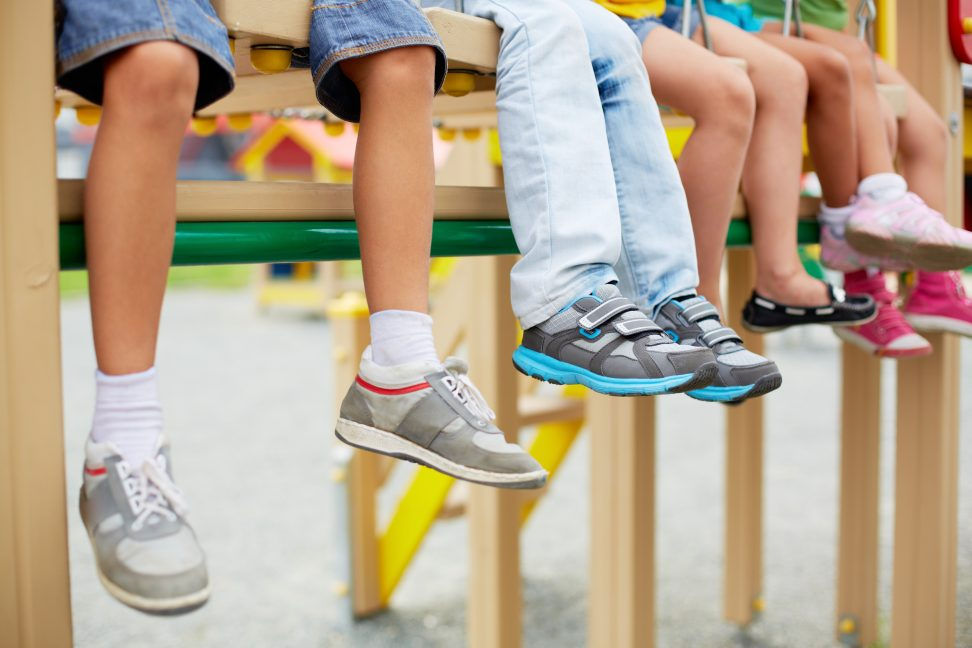
Perhaps the most overarching mistake people make is treating their feet as an afterthought rather than a priority. Your feet carry you thousands of steps each day and bear the entire weight of your body, yet they often receive less attention than your hair or skin. Establishing a simple daily routine that includes inspection, proper hygiene, appropriate moisturizing, and wearing supportive footwear goes a long way toward maintaining healthy feet. When problems do arise, seeking professional evaluation promptly rather than hoping they will resolve on their own leads to better outcomes and helps you stay active and mobile for years to come.
At Thrive Foot and Ankle, we help patients establish healthy foot care habits and treat problems caused by common mistakes. Book an appointment online to get expert guidance on keeping your feet healthy.
Comments