
Why Supportive Slippers Matter for Indoor Foot Health
- Dr. Chandana Halaharvi

- 1 day ago
- 5 min read
Understanding Supportive slippers
Most people put considerable thought into the shoes they wear outside the house but give little attention to what they wear on their feet indoors. Many people walk around barefoot, in socks, or in flat, unsupportive slippers for hours each day without realizing the impact this can have on their foot health. Given that many people now spend significant time at home working remotely or during leisure hours, indoor footwear choices deserve more attention. Supportive slippers can play a meaningful role in preventing and managing common foot conditions.
Walking barefoot on hard indoor surfaces like tile, hardwood, and laminate flooring exposes the feet to repetitive stress without any cushioning or support. Each step on a hard surface sends impact forces through the heel and forefoot that are not absorbed or distributed as they would be with proper footwear. Over time, this repeated stress can irritate the plantar fascia, contribute to heel pain, and place excessive strain on the metatarsal joints. Even carpet provides only minimal cushioning compared to what a well-designed slipper offers.
The arch of the foot requires support to maintain its structural integrity, and going without support for extended periods can lead to problems. When the arch is unsupported, the foot tends to overpronate or flatten, which changes the alignment of the entire lower extremity. This altered biomechanics can cause not only foot pain but also strain in the ankles, knees, hips, and lower back. Supportive slippers with a contoured footbed help maintain the natural arch shape and promote proper alignment during indoor activities.
Plantar fasciitis is one of the most common conditions aggravated by poor indoor footwear choices. The plantar fascia tightens during periods of rest, and when you stand on an unsupported surface, the sudden stretching of this tissue can cause sharp heel pain. Many people with plantar fasciitis notice that their symptoms are worst first thing in the morning or when getting up from a chair, precisely the moments when supportive slippers would be most beneficial. Wearing arch-supportive slippers consistently indoors can significantly reduce plantar fasciitis symptoms.
Flat, thin slippers that are commonly sold as comfortable loungewear often do more harm than good. While they may feel soft initially, they typically lack any meaningful arch support, heel cup, or shock absorption. Flip-flop style slippers force the toes to grip with each step, which can lead to hammertoe development and metatarsal pain. Backless slip-on designs can also cause an unstable gait pattern that increases the risk of trips and falls, particularly in older adults.
Signs and Symptoms to Watch For
People with diabetes should be especially mindful of their indoor footwear choices. Diabetic neuropathy can reduce sensation in the feet, making it difficult to feel injuries from stepping on objects or walking on rough surfaces. Going barefoot or wearing thin slippers increases the risk of cuts, burns, and pressure injuries that may go unnoticed and lead to serious complications. Supportive slippers with a closed toe and sturdy sole provide a protective barrier while still offering comfort for indoor wear.
Individuals with flat feet, high arches, or other structural foot variations benefit particularly from wearing supportive slippers. Flat feet require arch support to prevent excessive pronation and the chain of problems it can cause. High arches need cushioning to compensate for reduced natural shock absorption. People with bunions, hammertoes, or other deformities should look for slippers with a wide toe box that accommodates their foot shape without creating pressure points.
At Thrive Foot and Ankle in Sugar Land, TX, Dr. Chandana Halaharvi provides expert care for patients dealing with supportive slippers. We serve families and individuals throughout Sugar Land, Pearland, Missouri City, Richmond, and the greater Houston area.
The quality of a supportive slipper matters, and certain features should be prioritized when making a selection. Look for slippers with a firm but cushioned midsole, a contoured footbed that supports the arch, a deep heel cup that stabilizes the rearfoot, and a sole with enough rigidity to provide support without being too stiff. Some slippers are designed to accommodate custom orthotic inserts, which can be an excellent option for people who already use prescribed orthotics in their outdoor shoes.
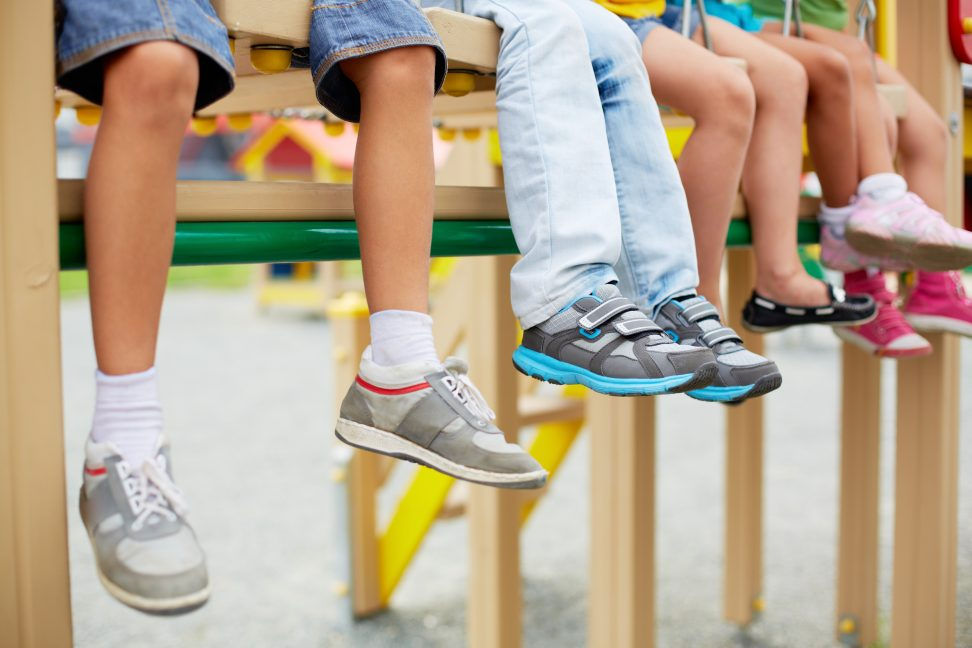
Children and teenagers also benefit from supportive indoor footwear, especially during periods of rapid growth. Growing feet are developing their structural architecture, and consistently going without support on hard surfaces can influence how the feet develop. Children who are active indoors, playing and running on hard floors, subject their feet to the same impact forces that affect adults. Providing children with properly fitting supportive slippers helps protect their developing feet.
Older adults face additional risks from poor indoor footwear, including an increased likelihood of falls. Falls are a leading cause of injury among seniors, and unsuitable slippers are frequently identified as a contributing factor. Slippers that are too loose, too slippery, or too flat can compromise balance and stability. Supportive slippers with a non-slip sole, secure fit, and adequate cushioning can help older adults move more safely and confidently around their homes.
Treatment Options at Thrive Foot and Ankle
Many people resist wearing shoes or sturdy slippers indoors because they associate going barefoot with comfort and relaxation. However, what feels comfortable in the short term is not always what is best for foot health in the long term. Supportive slippers are designed to feel comfortable while also providing the structural support that the feet need. Once people make the transition to wearing quality indoor footwear, they often notice a significant reduction in foot pain and fatigue.

Replacing indoor slippers regularly is also important for maintaining their supportive properties. Like outdoor shoes, slippers break down over time as the cushioning compresses and the support structures weaken. A slipper that felt supportive when new may offer very little benefit after months of daily wear. Checking slippers periodically for signs of wear and replacing them when they lose their shape ensures that your feet continue to receive the support they need.
If you experience foot pain that seems to worsen when you are at home, your indoor footwear may be a contributing factor. A podiatrist can evaluate your foot structure and biomechanics and recommend specific features to look for in supportive slippers. In some cases, custom orthotics that can be used in both indoor and outdoor footwear may be the best solution. Taking indoor foot health seriously is a simple but impactful way to protect your feet and overall well-being.
At Thrive Foot and Ankle, we help patients choose the right footwear and orthotics for every setting, including the home. Book an appointment online to discuss how supportive slippers can improve your foot comfort.
Comments