
Why Ignoring a Sprained Toe Can Lead to Long-Term Problems

Understanding Sprained toe
Toe sprains are injuries to the ligaments connecting the bones of the toes, most commonly from stubbing, dropping something on the toe, or bending it awkwardly. Many people underestimate these injuries.
The big toe is particularly prone to sprains because it bears a significant portion of body weight during walking and pushing off. A sprain at the base of the big toe, sometimes called turf toe, is a potentially serious sports injury.
Distinguishing a sprain from a fracture is not always straightforward without imaging. Both cause pain, swelling, and bruising. A professional evaluation is important to rule out broken bones.
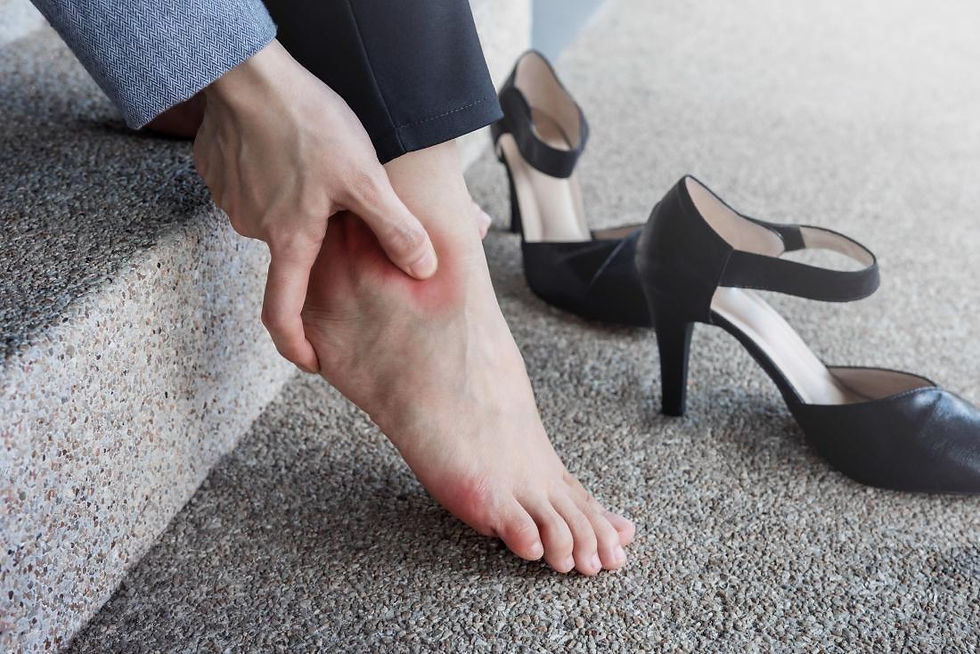
When a sprained toe is not properly immobilized and rested, the ligaments may heal in a lengthened or disorganized fashion. This results in chronic laxity, meaning the joint becomes loose and unstable even after initial pain subsides.
Chronic toe pain following an inadequately treated sprain is common. Persistent aching, stiffness, or a feeling that the toe is not quite right often reflects incomplete healing or cartilage damage.
Signs and Symptoms to Watch For
Swelling persisting beyond a few weeks can indicate cartilage damage, a stress fracture not initially visible, tendon injury, or scar tissue. Advanced imaging may be needed.
Gait compensation is a significant concern. When a toe is painful, you alter the way you walk, shifting weight to other parts of the foot and changing mechanics up the entire kinetic chain.
Taping and buddy splinting are common first-line treatments. These are most effective as part of a broader plan including activity modification, anti-inflammatory measures, and gradual return to activity.
Dr. Chandana Halaharvi at Thrive Foot and Ankle has helped countless patients across Sugar Land, Pearland, and Houston find relief from sprained toe. Our office offers comprehensive evaluation and treatment tailored to your needs.
Ice therapy applied for 15 to 20 minutes several times daily during the first 48 to 72 hours helps manage swelling. After the acute phase, gentle range-of-motion exercises prevent stiffness.
Stiff-soled shoes limit bending at the toe joints and reduce pain during recovery. For more severe sprains, a walking boot may provide better protection.
Treatment Options at Thrive Foot and Ankle
Athletes who return to sport too soon are at high risk for reaggravating the injury. Return only when the toe is pain-free with normal walking and when strength and range of motion are largely restored.

Older adults who sustain toe sprains deserve particular attention because their ligaments and healing capacity are less robust. The risk of associated fractures is also higher, particularly with osteoporosis.
A podiatric evaluation provides an accurate diagnosis, appropriate treatment, and guidance on safe return to activity. Treating a toe sprain comprehensively from the start is far simpler than managing chronic consequences.
Your toes may be small, but they are essential to normal walking, balance, and athletic performance. Giving a sprained toe proper care is a sensible investment in your mobility.
At Thrive Foot and Ankle, we take toe injuries seriously and provide thorough evaluation and individualized treatment. Book an appointment online to have your injury assessed.
Comments